
Gray Fox Status Inquiry
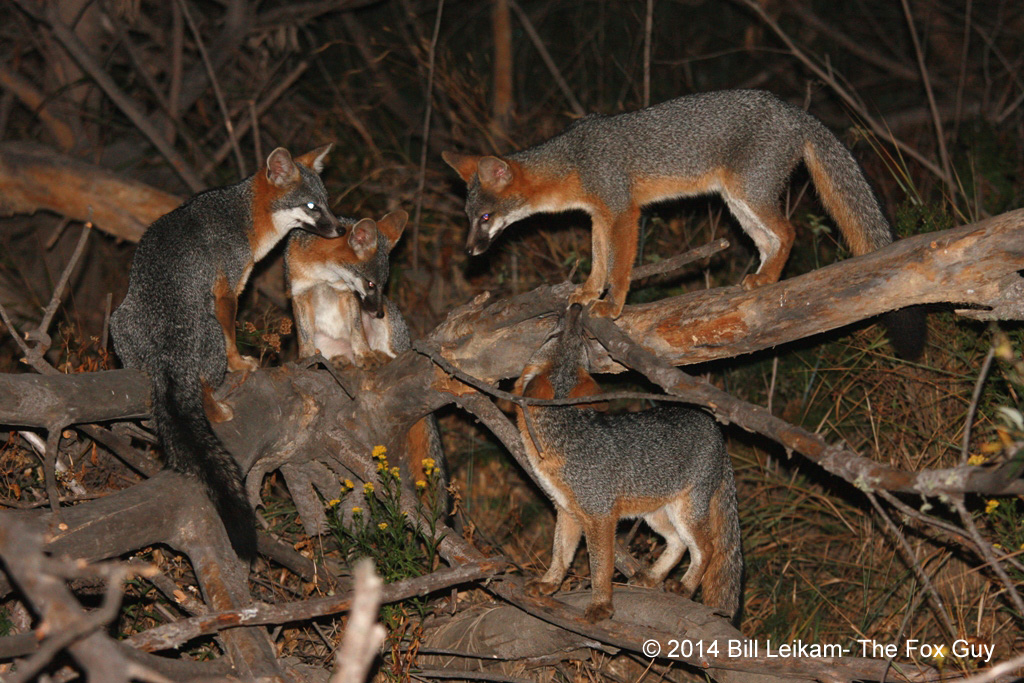
A Species Without a Scorecard
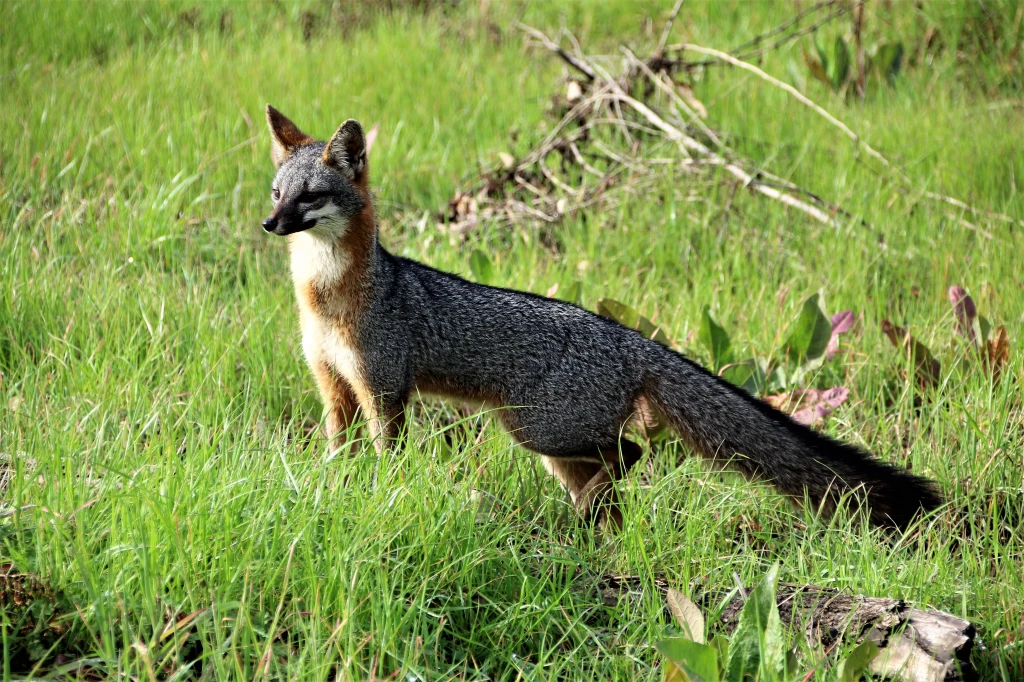
The gray fox is California’s most widely distributed native fox — a quiet, tree-climbing canid that shares our chaparral, creeks, and open spaces. It is also a species we know surprisingly little about.
California has not conducted a systematic statewide assessment of gray fox populations since 1984. There is no coordinated monitoring program, no statewide disease tracking, and no framework for connecting the localized observations that researchers and field biologists accumulate year after year. The gray fox falls into an institutional gap — present enough to be taken for granted, unmonitored enough to be invisible. We want to help close that gap and build an accurate picture of the status of gray fox populations in California.
What Prompted This Inquiry?
Recent research across Iowa, Indiana, Ohio, and Illinois has documented sharp gray fox declines driven by canine distemper, habitat loss, and coyote pressure. In 2025, Illinois closed its gray fox hunting season indefinitely — one of the strongest precautionary actions any state has taken for a non-listed species. Those findings prompted a straightforward question: does California have the data to know whether similar pressures are operating here? Based on conversations with more than a dozen researchers, agency staff, and conservation practitioners, the answer is not yet.
What We’ve Seen
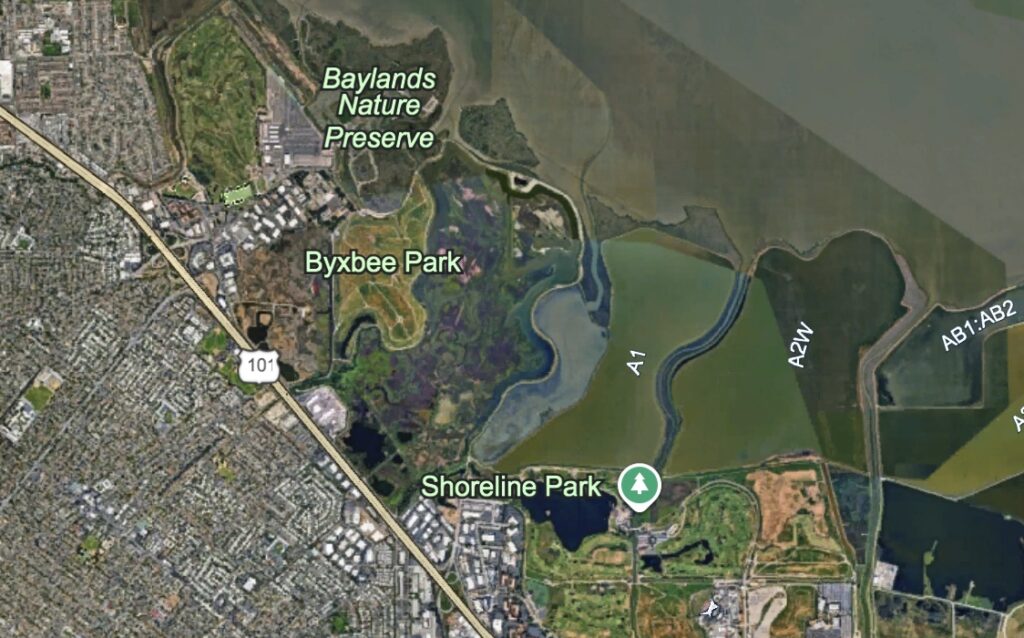
UWRP has been documenting wildlife at the Palo Alto Baylands for more than fifteen years. In late 2016, canine distemper wiped out the entire local population of approximately 25 individually known foxes. Nearly a decade later, gray foxes have still not recolonized the baylands. That event was documented. Most are not. California has observations. It does not yet have understanding.
What We’re Doing
Beginning in winter 2025–26, AnMarie Rodgers UWRP Board Member and Policy Lead, conducted a structured outreach effort — speaking with researchers, agency staff, and conservation partners across California and the Midwest to map what is known and where the gaps are.
That work produced a detailed synthesis report available here:
We are now seeking research partners, institutional collaborators, and funders to help take the next steps — including a data-holders convening, disease surveillance assessment, acoustic monitoring, and genetic connectivity studies.
An Invitation
Closing California’s gray fox knowledge gap will require coordination across institutions, disciplines, and sectors. UWRP is a small organization with a long field record and a commitment to careful, non-advocacy science. We believe we have helped map this gap. We are looking for partners to help address it. Contact us if you would like to be involved in the Gray Fox Status Inquiry.
Contact: AnMarie Rodgers, Board Member, Policy Lead: arodgers.uwrp@gmail.com
The gray fox is still out there. We just don’t know how many, or for how long. That is reason enough to look.
Read the Press Release: